
🌍 Introduction: A Global Economic Time Bomb
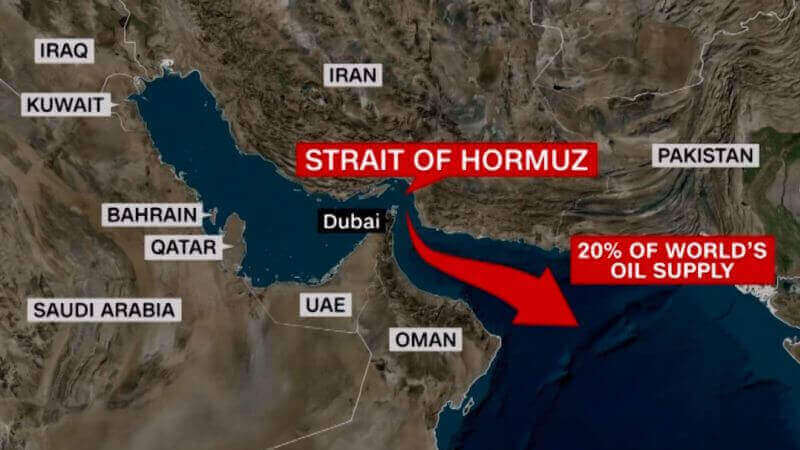
The Strait of Hormuz is one of the most critical chokepoints in the global economy. Roughly 20% of the world’s oil supply passes through this narrow route every day.
If it remains closed for the next four weeks, the consequences won’t just be higher fuel prices — we could see full-scale economic breakdowns in multiple countries.
🗺️ Where Is the Strait of Hormuz?
Located between Iran and Oman, this narrow passage connects the Persian Gulf to global shipping lanes.
👉 It is the main export route for oil-rich nations like Saudi Arabia, Iraq, and Qatar.
⚠️ Why This Crisis Matters
-
🚢 20% of global oil flows through it
-
🔥 No quick alternative routes exist
-
📈 Oil prices spike instantly when disrupted
-
🌐 Global supply chains depend on it
If blocked for weeks, the world faces a domino effect of economic failures.
🌏 10 Economies at Highest Risk
🇨🇳 1. China – The World’s Factory in Danger
China is the largest importer of oil passing through the strait.
Impact:
-
Factory shutdowns
-
Export collapse
-
Massive GDP slowdown
🇮🇳 2. India – Energy Crisis Waiting to Happen
India depends heavily on Middle Eastern oil.
Impact:
-
Fuel shortages
-
Inflation surge
-
Economic slowdown
🇯🇵 3. Japan – No Domestic Energy Backup
Japan imports nearly all its oil.
Impact:
-
Manufacturing disruptions
-
High energy costs
-
Economic contraction
🇰🇷 4. South Korea – Export Economy at Risk
South Korea relies heavily on Gulf oil.
Impact:
-
Industrial slowdown
-
Reduced exports
-
Supply chain issues
🇵🇭 5. Philippines – Vulnerable to Price Shocks
Philippines is highly sensitive to oil price increases.
Impact:
-
Currency pressure
-
Rising inflation
-
Slower growth
🇱🇰 6. Sri Lanka – Fragile Recovery Threatened
Sri Lanka is still recovering from past economic crises.
Impact:
-
Fuel rationing
-
Reduced working hours
-
Risk of another collapse
🇵🇰 7. Pakistan – Energy Shortages Intensify
Pakistan already faces energy instability.
Impact:
-
Power outages
-
Industrial decline
-
Economic instability
🇮🇶 8. Iraq – Oil Exports Blocked
Iraq depends on the strait to export oil.
Impact:
-
Revenue collapse
-
Budget crisis
-
Economic instability
🇶🇦 9. Qatar – LNG Supply Disruption
Qatar exports most of its natural gas via this route.
Impact:
-
Export disruption
-
Global gas shortages
-
Revenue losses
🇹🇭 10. Thailand & Southeast Asia – Ripple Effects
Thailand and neighbors face supply chain pressure.
Impact:
-
Fuel shortages
-
Inflation spikes
-
Economic slowdown
📉 Global Consequences If Not Reopened
If the Strait of Hormuz remains closed:
-
⛽ Oil prices could exceed $120/barrel
-
📈 Global inflation surges
-
🍞 Food prices rise (especially in Africa)
-
🚚 Supply chains collapse
-
🌍 Multiple countries enter recession
🧠 Final Thoughts: A Crisis the World Can’t Ignore
The Strait of Hormuz is more than just a shipping lane — it’s the backbone of the global economy.
A prolonged closure won’t just hurt oil markets. It could reshape the global financial system, trigger recessions, and push vulnerable economies toward collapse.